So you need to grow your community, develop conversations around search and AI, showcase key customers and their implementations, talk about what’s coming next with your platform or even just want to get together with others working in your space. It’s time for your first conference – and here’s how to make it an event to remember.
I’ve been involved in running tech conferences for at least 20 years – from a very early event in Cambridge, UK on open source search, where a colleague’s wife made sandwiches for attendees, to helping Martin White with several Enterprise Search Europe conferences held at Olympia in London (I remember the Google speaker who turned up with his own film crew and refused to answer questions), to the first Haystack Europe event held in a Quaker hall followed by an excellent vegetarian curry, the first of 5 years of running Haystacks in both Europe and the USA and most recently the first Vespa conference in London. I’ve also run various Search Meetups, satellite events and hackdays. On the other hand I’ve also run week-long festivals, theatre shows and community workshops – very different events but still educational.
During this time I’ve learned a lot about how to run a successful event, often from my own mistakes and also how one copes with the inevitable unexpected problems. Here’s some things to consider.
Dates and venues
The first thing to think about is where and when – and there are a few factors that you must consider. Due to holidays and the summer break there are two main ‘conference seasons’ – spring and autumn (or Fall if you’re across the pond). During these periods there are other, more established events and this will impact your choice of dates – you don’t want your audience to make hard choices. It’s often difficult to find a date or dates that don’t conflict – in the search field, you can check my Search Conference Calendar which I try to keep up to date, but also consider the big events like AWS Re:invent, Big Data London, Shoptalk – your potential attendees or speakers may already be committed to these. There are sometimes hard choices to be made, and you should also consider travel time in case there’s a big event before or after your chosen dates. No-one wants to fly halfway across the world between events if they can avoid it, but equally if you share a geographical area with another event, perhaps they’ll stay an extra few days or come a little early.
There are a lot of places to hire for events. If you can find a friendly company with some spare office or conference space they can lend you, this is often the cheapest option – you can work out a deal where they get to speak or have their logos prominently displayed. Hotels often have conference rooms, but this can be a little boring and you may find yourself jammed between the Dog Groomers Association and the Insurance Adjusters, just another booking.
Dedicated event spaces usually have teams of people to help you and all the A/V, catering and other things you’ll need, but this may come at a cost. Non-traditional spaces like movie theatres, tents, warehouses, Quaker halls (I’ve run events in all of these!) can be a lot cheaper but you may have to bring in your own services and deal with the fact these venues aren’t easily set up for a tech conference (no chairs, bad sightlines or a dodgy heating system). I prefer using ‘interesting’ spaces for events though, as it makes a change from the usual conference hotel.
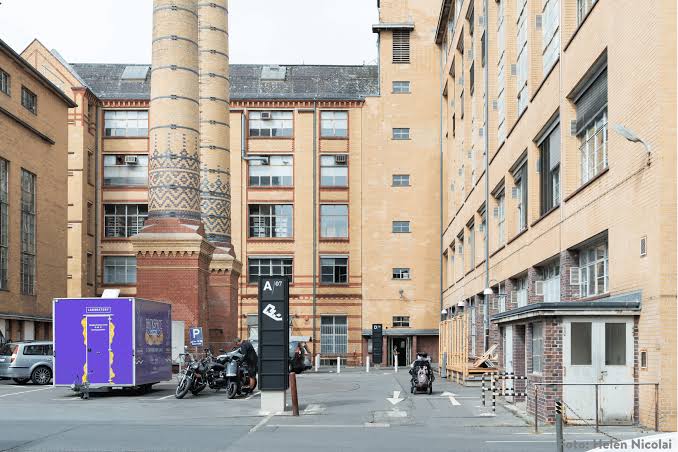
Until you choose a date and venue you can’t really start publicising and planning your event, so these are key early decisions to make. If you can, visit your venue in person beforehand – it may not be as good in reality as the carefully chosen promotional photos indicate!
Budgeting and ticketing
The budget for a first event will be somewhat fluid – you really don’t know if anyone will buy tickets and what your unexpected costs will be. Consider this first conference an investment, not an opportunity to make money. If you price the event too high, people may not come, but if you don’t charge at all it’s possible they won’t turn up at all even if they’ve registered. Your ticket price should be comparable to similar events in your field but be prepared to offer various discounts to drive registrations (early bird reductions, group rates, packages etc.). Consider paying speakers at least their travel costs, even if you can’t afford to pay them to talk. You might want to offer a cheap online participation ticket (see below for details of how to stream your event).
Venue hire may be your biggest expense, but catering can come a close second. Look out for hidden extras – does that screen or projector come for free, do you need to hire a lectern, what about any extra hours to let you set up or knock down the event? Ticketing is relatively easy to do these days with platforms like Eventbrite or Tickettailor, but look out for any commissions on ticket sales, bank charges etc. Other things to consider are marketing costs (ads or other paid promotion), swag and other giveaways, staff costs – and remember your own team may have travel costs.
What I’ve done in the past, once I have some sensible estimates of costs, is to make estimates of income based on worst case, best case and somewhere in the middle. This helps work out how much the event is likely to cost you to run even if very few people turn up. Again, this is your first event so you can’t be 100% sure, but it’s important to be realistic and to be sure you can afford to pay all your bills – damaging relationships with suppliers is to be avoided especially if you want to use them again.
A/V, streaming and recording
Since the pandemic many conferences now offer an online option and it’s also great to be able to record and share presentations (they’re a great asset for your organisation and can also be used to promote future events). Your venue may be able to provide projectors or screens, a PA system including handheld and headset microphones and technical help, otherwise you may have to hire these in. This can be a major expense – I’ve seen a range of costs from £5k-£25k for even small, one to two day events – and recording and streaming can be extra.
A simple alternative is to handle streaming and recording yourself. I worked out a cheap way to do this at a MICES conference some years ago, using a webcam, USB A/D converter and a Zoom account – here’s how we did it. This method has been used successfully for several years at Haystack Europe and MICES – you can see some of the videos produced by it here. It’s not foolproof and does need some experience with how PA systems work (your venue will need to provide an audio feed) – suffice it to say I have a bag of various cables and converters just in case – but it’s much, much cheaper than the alternatives.
Remember a few key points – tell your speakers how to connect to the projector ahead of time (HDMI, USB or something else), have a backup laptop with their presentation slides on it and have or borrow some video adapters. Remember to leave time for switchovers. Apple computers seem to have particular problems talking to external projectors or screens – if like me you’re a Windows guy, find an Apple person and ask them to help.
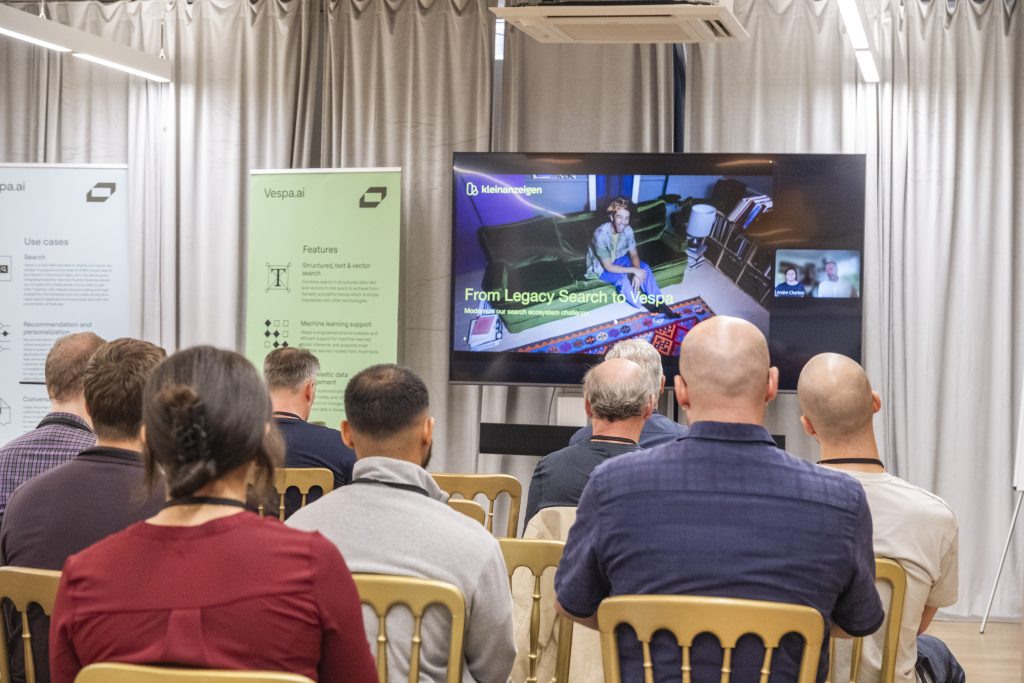
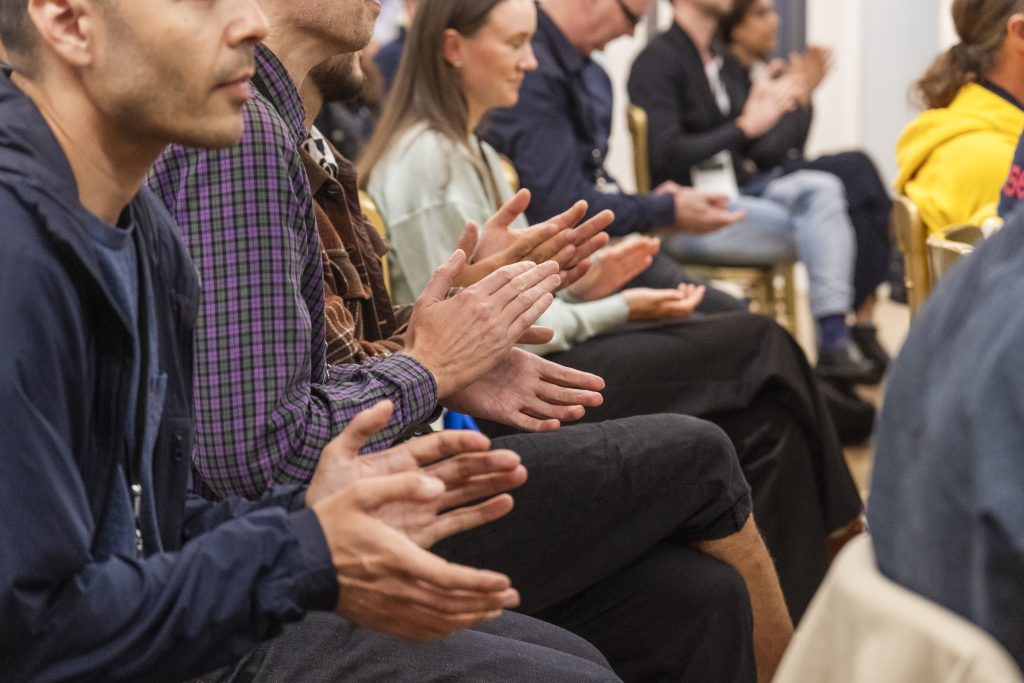
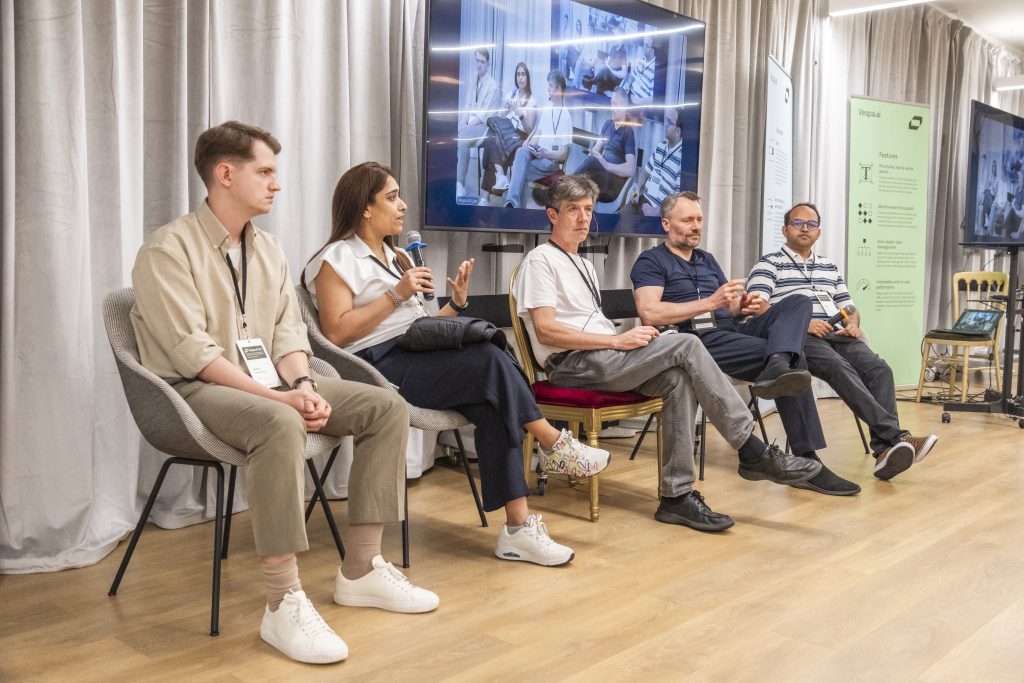
Make sure you also take photographs during the event (whether you engage a professional or do it yourself will depend on your budget). These are also very useful assets for the future – and your audience will appreciate them too. Here’s some great shots from Vespa AI Live this year by the excellent Tessa Neale (who I’d strongly recommend for events in the UK and Europe):

Speakers and sessions
How you organise your event schedule will depend on your objectives. Is the event purely to showcase your capabilities, in which case maybe the talks will be more promotional and sales focused, or are you going for general educational content, in which case you don’t just want sales pitches – or maybe you want a blend of the two. The day should start with an introduction (welcome, here’s the schedule, lunch is served at 1pm, etc.) then a Keynote by someone influential and respected to set the scene for the day (perhaps a CEO or a speaker known and respected in your sector).
The choice of the rest of the speakers will depend on your overall aim for the conference. Do you want to hand-pick them, or make it a double-blind submission process where the best talks will win through, or something in between? If you run a Call for Papers (CFP) make sure you allow enough time to do so (only once the process has finished will you be able to announce the schedule, which is an important way to drive registrations). Make sure you agree and publicise the rules first and find some reviewers. Even if you are running a process where the best presentations are chosen, you may need to put a light ‘finger on the scales’ – perhaps to improve gender balance, prevent one company from giving three talks, or reduce the focus on just one area. Make sure you thank rejected speakers and offer accepted ones a free or heavily discounted ticket, and give them clear information about when and how they should give their talk. If possible have a couple of backup speakers in case something goes wrong (someone misses their flight, has a family emergency etc.).
Other items for your schedule could include panels (several people in an on-stage discussion), BarCamps (an ‘unconference’ session organised by participants on the day), Lightning Talks (5 minute talks submitted on the day), coffee breaks, lunch, drinks receptions etc.
You should have a session host for each block of talks – they can introduce the session briefly, introduce each speaker, make sure they keep to time ask the audience (in person and online) for questions and ask for applause at the end.
To sponsor or not to sponsor
Your choice of whether to bear the entire cost yourself or to attract sponsors is a double-edged sword. If you don’t have sponsors then it’s more financially risky but your event might appear more ‘neutral’ and less influenced by bigger players. If you do take sponsorship, then even if you don’t let it affect the choice of speakers, some people will assume it does: “Why did this guy get to speak? Oh, it’s because he paid to play”. A halfway house is to let people sponsor side events, or dinners, or something outside the main conference day. Sponsors will want their logos displayed both before and during the event and you should thank them volubly. For guidance, here’ s an example of how one conference handles sponsorship.
Marketing and publicity
Once you have your venue, dates and budget agreed, you can start publicity. You’ll need enough time between now and your start date to build interest, for a first event at least several months. Watch out for holiday/summer breaks where people may not read your emails or posts! You can start with a ‘Save the Dates!’ message even when everything isn’t quite confirmed, then talk about why you’re running the event, which speakers are confirmed, what extra events you will hold around the conference dates, workshops, training sessions etc. Keep a constant flow of new content – perhaps every week or two – and once you get closer to the event increase the frequency, remind people that tickets are still available, it’s their last chance to get them, etc.
Keep an eye on registrations and be prepared to adapt your marketing if things are not going as well as you hoped. Look for partner organisations (e.g. local Meetup groups – here’s my global map of search-related groups, networking groups), other conferences you can attend to publicise yours, use Slack channels, email lists, LinkedIn groups, anything you can find.
Swag
People like free stuff, and it’s also a way to promote your business. However, there’s also a lot of cheap conference swag that isn’t actually very useful (stress balls, pens that run out in five minutes, cheap t-shirts that fall apart) and we should all try not to clutter up the world with more stuff. Personally I prefer to keep swag to a minimum, and if it is provided make it useful, if possible made from recycled materials or generally hardwearing. T-shirts are often available but you either need to ask people for their size at registration and then sort these out individually on the day, or buy lots of different sized and inevitably end up with lots left over.
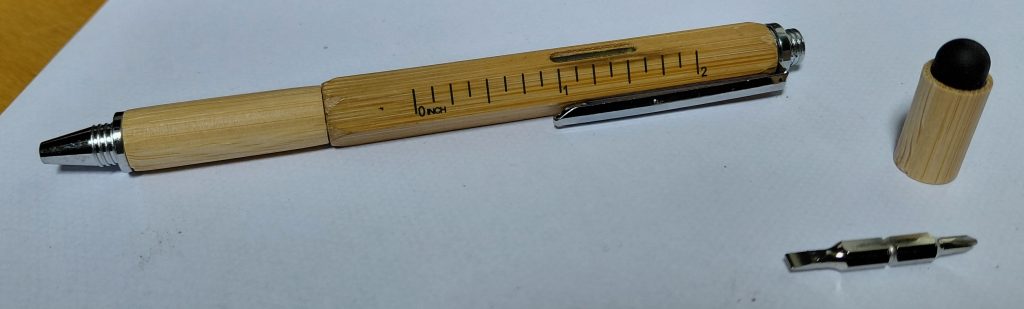
It’s also nice to provide small gifts for your speakers – maybe something from your home country, but not things they may not be able to take on the plane home, like large bottles.
Catering
You can spend a lot of your budget on catering, and as you’re never completely sure of numbers (and you will have to organise catering a week or two in advance) there’s always the chance of having too little or too much food. Make sure to have a choice of dietary options (you can ask attendees when they register to get some idea of these), clearly labelled. Remember your audience will need time to eat – if they only have 45 minutes perhaps a hot plated meal isn’t a good idea, and sandwiches would be better. You should generally provide tea, coffee, water through the day and you may also want to provide a light breakfast for those who missed it due to an early start.
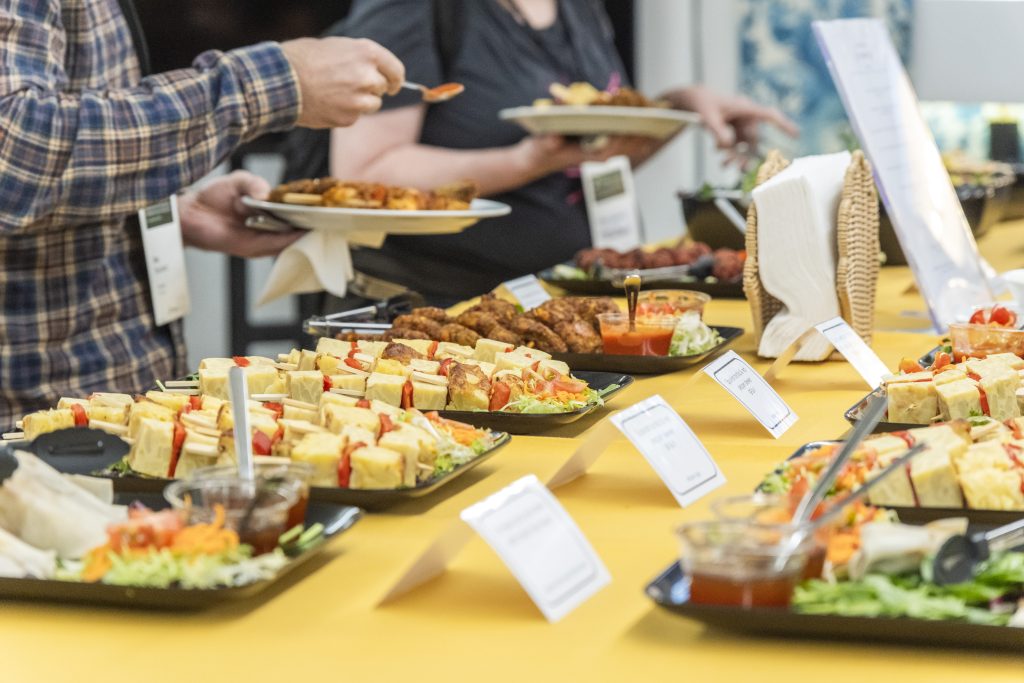
If you hold a drinks reception, again make choices of quantities based on expected numbers. Assume 2 drinks per person but also provide some soft options. Note that some venues will charge you if you bring drinks in from outside (corkage).
Preparing for the day
Make sure you get to the venue early to set up – at least an hour before your attendees arrive. You’ll need a registration desk where you’ll have a list of attendees, pre-printed name badges or at least sticky labels and pen, swag etc. You’ll need someone to man this for most of the day – people don’t always arrive at the start.
Take a kit of everything you think you might need – tape, pens, pencils, markers, labels, paper, Blutak, spare cables, extension leads, sticky notes, plastic bags, a laptop, power supplies, international adapters, pull-up banners, posters…this list is potentially endless, but it’s far better to bring something and not use it than to not have something vital on the day! Always bring Gaffa or duct tape. Always.
I like to prepare a Runbook – a single document shared by all the team, containing things like timings, contact details for your team and the venue, suppliers etc., travel plans, links to Zoom calls….one place to go when you need to know something.
When people arrive, greet them with a smile! They don’t need to know you’re a bit stressed because the projector isn’t working, or that no-one remembered to buy milk for coffee. They could be a bit jet-lagged or otherwise tired, a little nervous about their presentation or about all the social interaction to come.
You can expect a long, tiring day – starting early, finishing late and with a lot of rushing around. Keep your energy up, hydrate and remember to eat properly.
Things will go wrong
Nothing ever goes completely to plan – and your first event is going to be a learning experience. Your audience will hopefully be sympathetic if you explain what’s happening and thank them for bearing with you.
It’s best to expect things to go wrong and be prepared to cope than to hope everything goes right. Keep that smile going, think creatively about solutions (maybe the presenter with a laptop that isn’t connecting properly can email you his slides? Maybe if the microphone isn’t working the presenter can repeat any audience questions?) and most importantly, enjoy it – you’ve worked hard to get to this point!
Let’s go!
You’re all prepared, waiting for people to turn up – enjoy your duties as host! I’ve found running conferences very enjoyable overall – it’s always satisfying to see people learning, networking and generally spending time with their peers. When you consider the above tips, remember that the talks are only one part of the whole conference experience. Your attendees will also take away with them what the venue was like, who they met and chatted with, what they ate and drank and what they did afterwards – some of the best conversations I’ve had have been in the pub or restaurant after a conference.
Once you’re done and have run a great event, reflect on what went well and what could be improved – it’s time to think about next time!
If you need help running a conference around Search & AI just let me know – I’m always happy to chat.